Looking for unique lodgings for a weekend getaway? Try a Hudson Valley cottage for two!
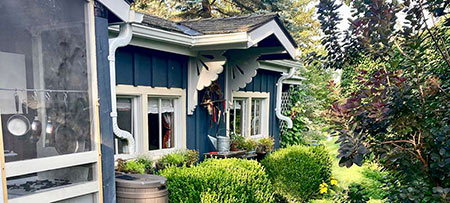
Thyme in the Country, just 6 miles from the city of Hudson, NY, has two very special places to stay in which to enjoy your Hudson Valley vacation. Our cozy cottages offer comfort, creativity and affordability with an emphasis, as always on environmentalism. But fear not – our cottages are as comfortable as they are eco-friendly! Five acres of gardens, a salt-water pool, nature-filled pond and meadows surround the cottages to create a refuge for relaxation and privacy. Come and enjoy a slow-paced informal retreat after a day exploring the many attractions Columbia County offers. Our picturesque landscape and free Wi-Fi make Thyme in the Country the perfect place for writers, artists and other creatives to escape the rhythm of everyday life and find new inspiration. We even offer discounted rates for longer stays.
Included with your lodging:
- Free parking
- Free Wi-Fi
- Free use of our pool and property
- Chemical free cleaning products
- No add-on fees other than sales tax
- The opportunity to travel on a much lighter carbon footprint.
Why Choose Thyme in the Country?
We offer accommodations that are in a class of their own just minutes from Hudson. Our cottages are a pleasing mixture of antiques, natural fibers, organic bedding, and fuss-free decor help you decompress and relax.
- One of a Kind – Tired of cookie cutter motel rooms? Thyme in the country offers the most creative and pure accommodations you’re going to find in this area. Each of our cottages is in a separate building.
- Affordability – We don’t nickel and dime our guests. There are no hidden fees. The only surprises you’ll find are the delights of country living in our cottages and on our grounds.
- Spend Thyme With That Special Person in Your Life – You can craft and eat a meal together created with ingredients from our organic garden and local farmstands. There are two kitchens equipped with supplies to pull off a dinner, each cottage has a little patio, and there is a barbecue with equipment included.
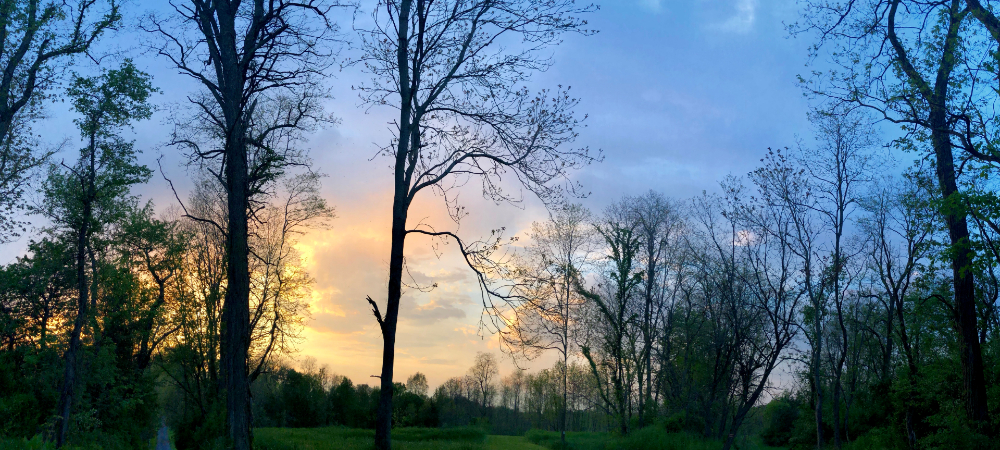
- True Country Environment – Enjoy peaceful rest surrounded by our beautifully landscaped property and the sounds of nature. Gaze at the stars, spend time bird-watching or just sit on the dock or take a long walk in our backyard.
- Creative Retreat – Feeling too overwhelmed by the pressures of everyday life to create? Would a change of scenery allow you to decompress and get the creative juices flowing? We provide strong WIFI and a lot of interesting spots to write, paint, or photograph, with picnic tables, poolside writing spots, and a desk in each room and wi-fi makes it the perfect place to work on that book you’ve been hoping to finish. If you’re looking for a longer retreat, we offer lower rates for long-term stays.
- Visiting Family or Friends – No room at your house? There is a lovely room waiting at ours. If you are or have loved ones living in Columbia County but there just isn’t space for overnight visitors, Thyme in the Country can be the cozy and affordable option you’ve been searching for.
“It may be that when we no longer know what to do, we have come to our real work,
And that when we no longer know what way to go, we have come to our real journey,
The mind that is not baffled is not employed.
The impeded stream is the one that sings.”
– – Wendell Barry